

How Much Torque Does an Electric Bike Need?
What Does E-Bike Torque Actually Mean?
When comparing electric bikes, motor wattage gets plenty of attention, but torque often tells you more about how strongly the assistance feels when accelerating or climbing.
Torque is the rotational force produced by the motor and is measured in Newton-metres (Nm). Generally, more torque gives the motor greater ability to assist under load, particularly on inclines, although real-world performance also depends on rider weight, gradient, gearing, wheel size, sensor setup and motor programming. Ananda, whose drive systems are used across Hygge's current folding range, offers motors at different torque levels for different riding applications.
So, how much torque does an E-Bike need? The answer depends far more on where and how you ride than on simply choosing the biggest number.
Around 40Nm: Ideal for Everyday Urban Riding
A motor in the 40Nm range is a sensible choice for city riding, everyday commuting and routes with relatively moderate hills.
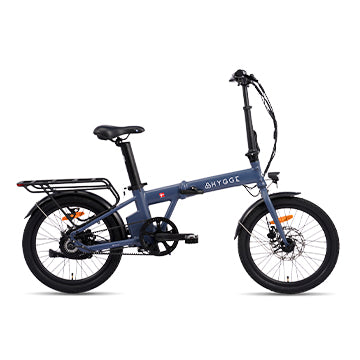
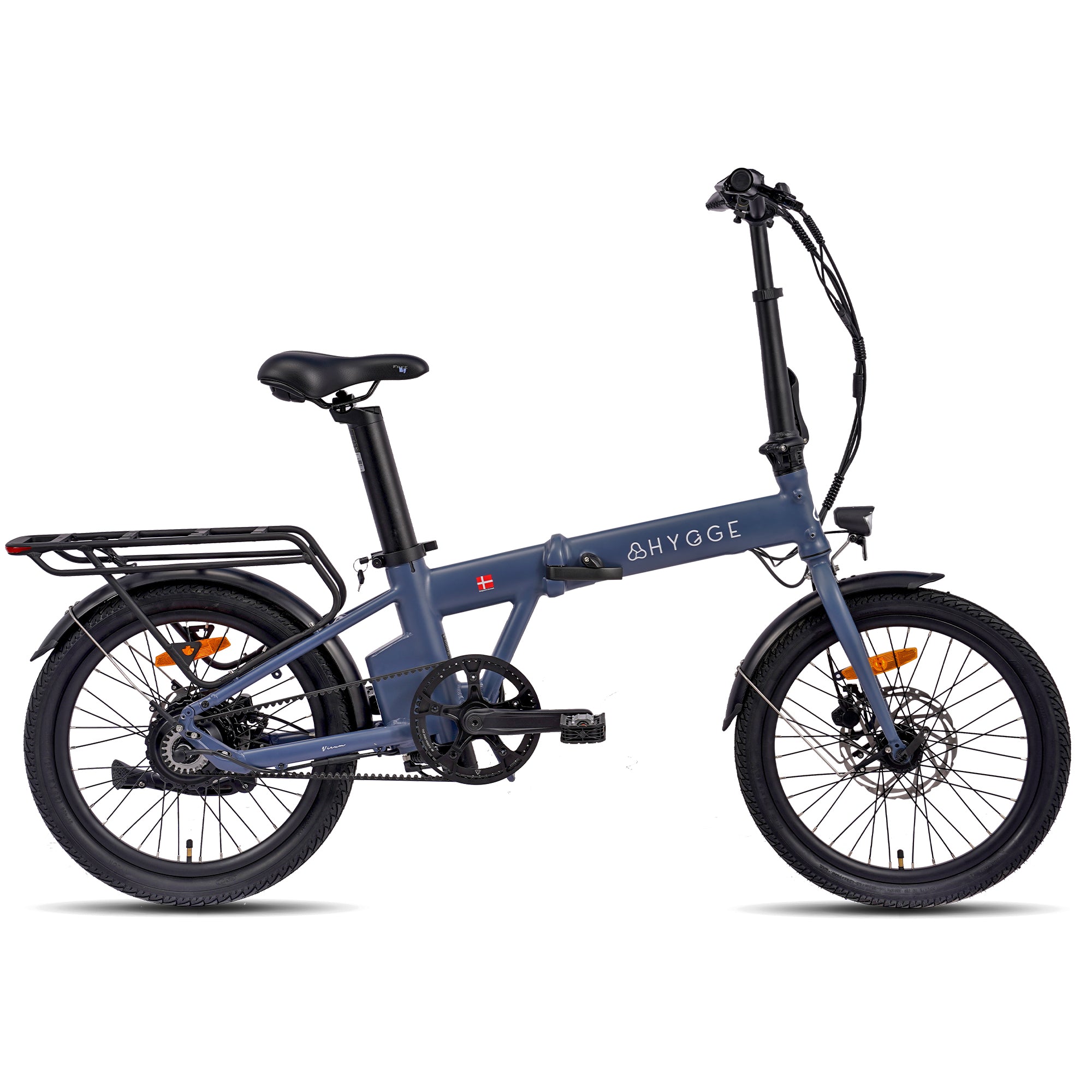
One important detail for Hygge riders: although shoppers often search for comparisons such as 40Nm vs 50Nm vs 65Nm, the current Hygge Virum Folding E-Bike actually produces 42Nm, rather than exactly 40Nm. Its Ananda 250W hub motor is paired with a torque sensor, while the complete bike weighs 18kg and folds to 81 × 35 × 72cm.

Virum Folding E-Bike | £1,499 | 18kg | Up to 60km range Shop Now
That combination makes the Virum's low-40Nm setup particularly relevant to riders prioritizing portability and urban use rather than maximum climbing force.
50Nm: More Assistance for Hills and Versatility
Move up to 50Nm, and there is additional torque available for hillier routes, more demanding starts and heavier bikes.
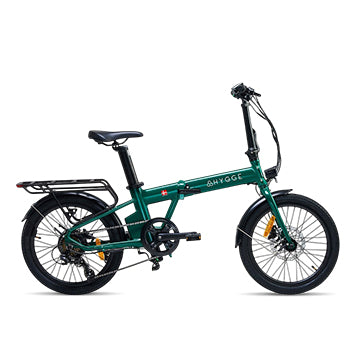
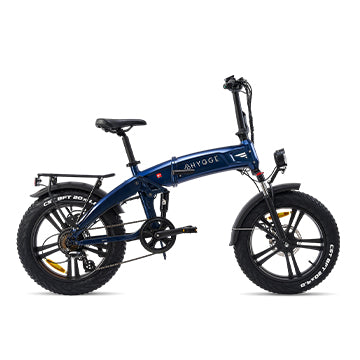
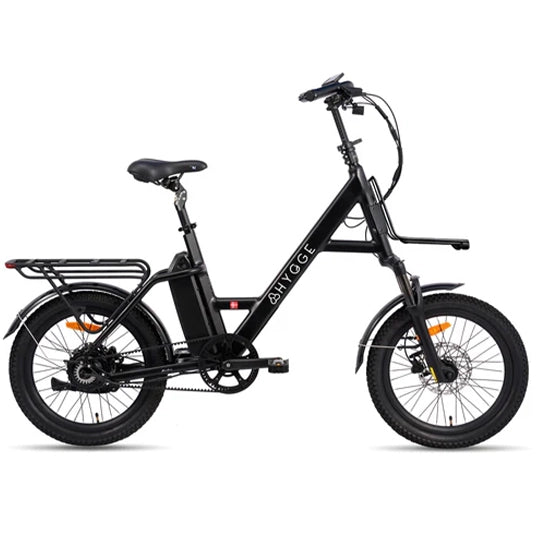
Hygge uses 50Nm in two notably different folders. The Virum Auto combines a 250W Ananda motor producing 50Nm with a torque sensor, automatic three-speed gearing and Gates carbon belt drive.
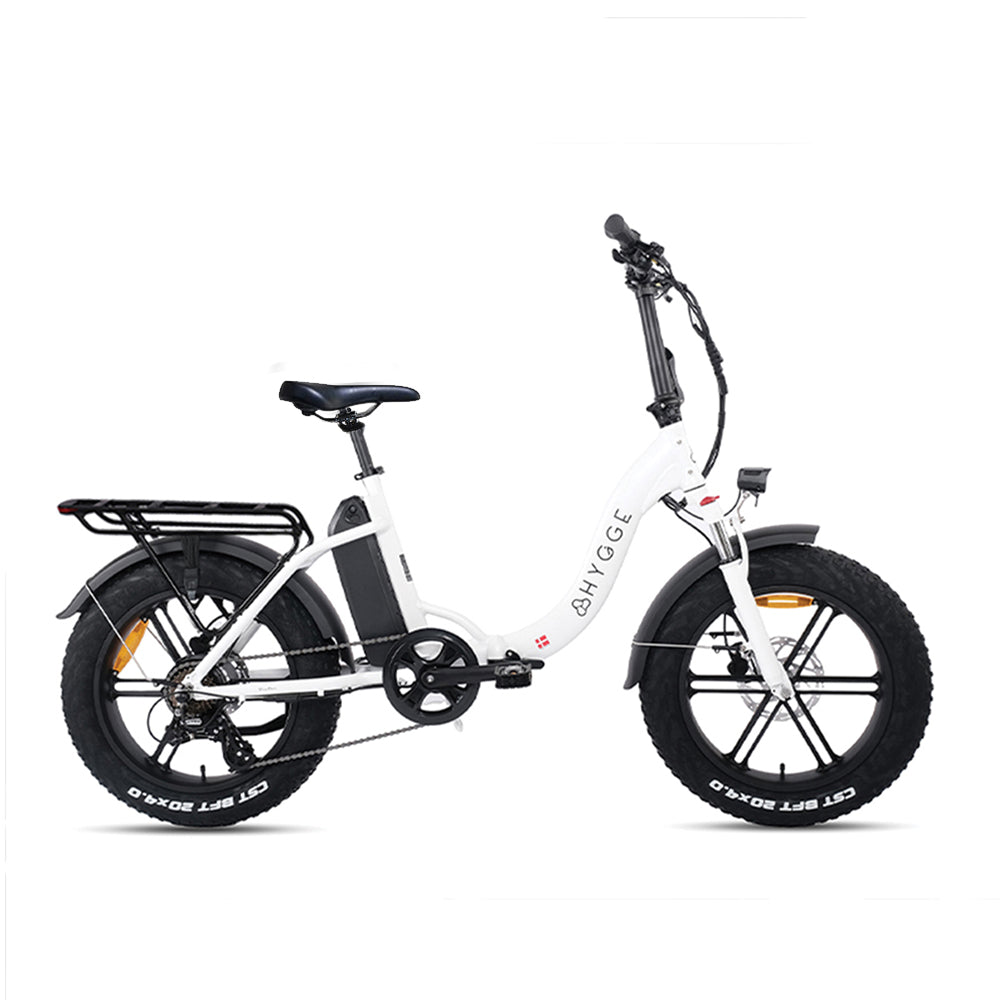
The Hygge Vester Folding E-Bike also produces 50Nm, but packages it into a 27kg, 20 × 4-inch fat-tyre platform with front suspension and a 48V 14Ah Samsung-cell battery. Hygge positions the Vester for mixed terrain and longer, more versatile journeys.

Vester Folding E-Bike | £1,499 | 27kg | Up to 80km range Shop Now
For riders researching torque for hills, 50Nm is therefore a useful middle ground within the current Hygge folding range.
65Nm: When Steeper Climbs Need More Muscle
For riders regularly facing steeper gradients and more challenging terrain, 65Nm provides the strongest assistance of Hygge's current folding models.
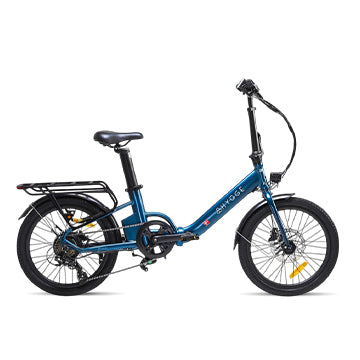
The Hygge Sorø Folding E-Bike uses a 250W Ananda motor producing 65Nm. Hygge specifically identifies that additional torque as useful for steeper climbs and challenging terrain, while the Sorø also adds dual suspension and a higher rider-and-luggage capacity than the Vester.
Sorø Folding E-Bike | £1,999 | 32kg | Up to 80km range Shop Now
More torque does not mean a higher assisted top speed: Hygge's current folding range uses 250W motors and is designed around assistance up to 25km/h (15.5mph).

Which Torque Level Should You Choose?
For E-Bike torque Nm explained simply: think of roughly 40Nm as urban-friendly, 50Nm as the versatile middle ground, and 65Nm as the choice for riders who expect steeper hills and tougher terrain. Within Hygge's range, that translates more accurately to 42Nm Virum, 50Nm Virum Auto/Vester and 65Nm Sorø.
|
Hygge series |
Motor torque (Nm) |
Ideal terrain |
|
Virum Series |
42 Nm Torque |
City roads, cycle paths, gentle hills and daily commuting |
|
Virum Auto |
50 Nm Torque |
Urban routes, rolling terrain and stop-start commuting |
|
Herlev Auto |
48 Nm Torque |
Paved roads, urban commuting and moderate inclines, with smooth automatic gear changes for everyday riding. |
|
Vester Series |
50 Nm Torque |
Urban roads, leisure routes and cycle paths |
|
Soro Series |
65 Nm Torque |
Steeper hills, challenging terrain, uneven surfaces and countryside trails |
You can compare all of these options in the Hygge folding electric bike range.
How torque affects terrain suitability
|
Motor torque |
Generally suitable for |
|
35–40Nm |
Flat roads, city commuting and gentle slopes |
|
45–50Nm |
Rolling terrain, moderate hills and everyday mixed routes |
|
55–65Nm |
Hillier routes, steeper inclines and carrying additional weight |

For riders specifically considering Danish folding electric bikes, Hygge was founded in Copenhagen and states that its E-Bikes are professionally built in Europe. Briefly on reputation, the brand's focus is on creating some of the strongest folding options in its category, while its current Trustpilot profile stands at 4.7/5 from 534 reviews at the time of research.
Ultimately, the best answer to “how much torque does an E-Bike need?” is simple: choose enough torque for your regular terrain, not simply the highest Nm on the specification sheet.
Frequently asked questions
What does torque mean on an electric bike?
Torque is the rotational force a motor produces, measured in Newton-metres (Nm). Higher torque can provide stronger assistance when accelerating and climbing hills.
How much torque does an e-bike need?
Around 40–45Nm can suit city riding and gentle hills, 48–50Nm offers versatility for mixed routes, and 65Nm can be useful for steeper climbs. The best choice depends on your terrain and riding needs.
Is 50Nm enough torque for e-bike hills?
Yes. A 50Nm e-bike can handle many moderate hills, although steepness, rider weight, gearing and motor settings affect performance.
What is the difference between 42Nm, 50Nm and 65Nm?
42Nm suits everyday urban riding, 50Nm offers more assistance for varied routes, and 65Nm provides greater torque for more demanding climbs.
Which Hygge e-bike has the highest torque?
The Hygge Sorø Folding E-Bike offers 65Nm of torque, making it the highest-torque option among the models discussed in this guide.
How much torque does the Hygge Virum Folding E-Bike have?
The Hygge Virum Folding E-Bike produces 42Nm of torque and weighs approximately 18kg, making it suitable for riders prioritising lightweight portability and urban use.
What is the difference between e-bike torque and wattage?
Wattage measures motor power, while torque measures rotational force. A 250W motor can deliver different levels of torque depending on its design and control system.
Does higher e-bike torque mean a faster top speed?
No. Higher torque can improve acceleration and hill assistance, but it does not automatically increase the assisted top speed. UK-legal EAPCs provide assistance up to 15.5mph (25km/h).
Are Hygge e-bikes legal on UK and EU roads?
Hygge e-bikes that meet UK EAPC requirements have a maximum continuous rated motor power of 250W and pedal assistance up to 15.5mph (25km/h). EU rules vary by country, so check local requirements before riding.
Which Hygge e-bike torque level is best for hills?
The 50Nm Virum Auto or Vester can suit moderate hills, while the 65Nm Sorø may be better for steeper terrain. Consider the bike's weight, tyres, gearing and suspension as well as torque.