

Torque Sensor vs Cadence Sensor E-Bikes: Which Feels More Natural?
The name “hygge” at Hygge Bikes is more than just a name: it's a design brief. The concept of Hygge in Denmark is one of comfort, ease, and warmth and it's reflected in the way each Hygge E-Bike feels on the street. This is especially apparent in the difference between a torque sensor E-Bike vs cadence sensor E-Bike. Both give the motor instructions when to do what, but they listen to entirely different signals, and that's what makes the ride really Hygge or just electric.
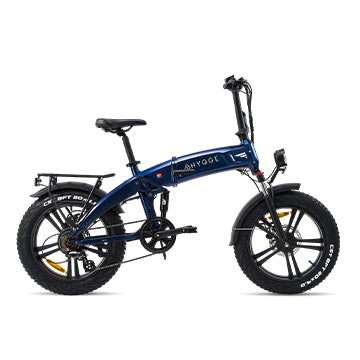
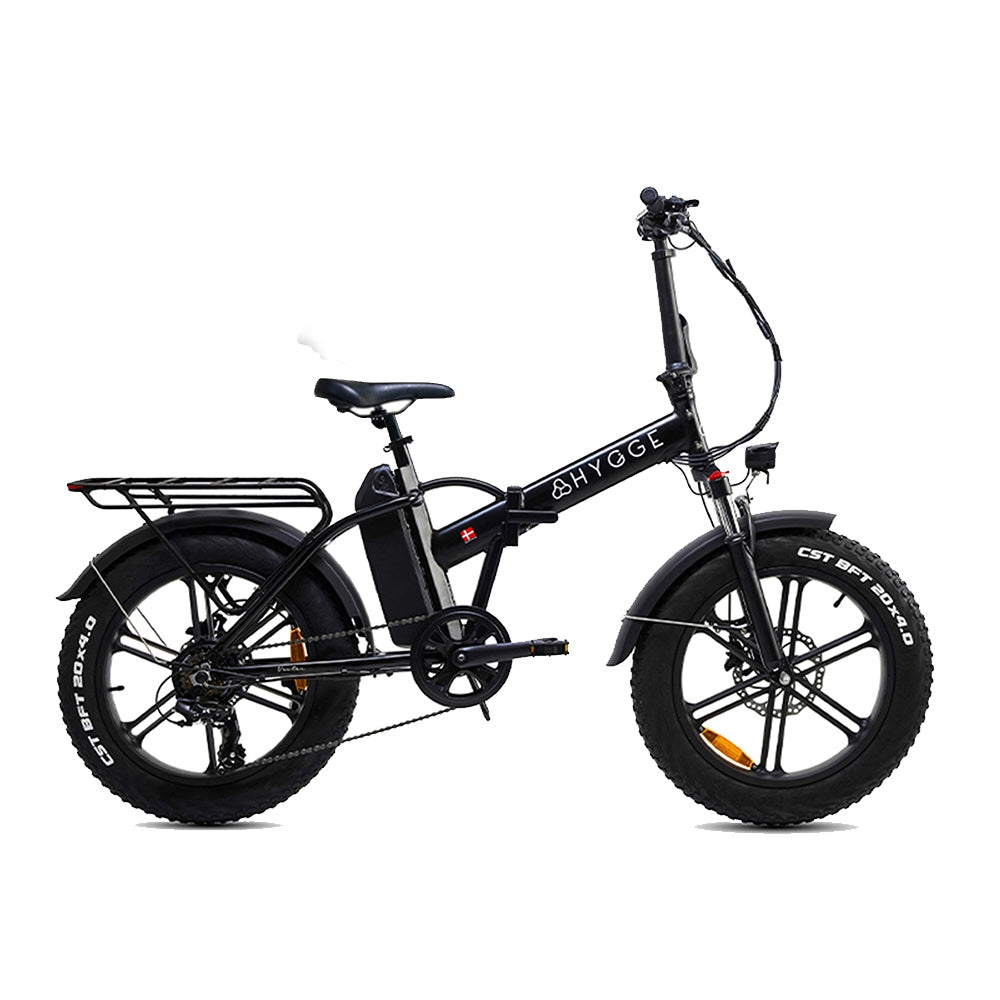
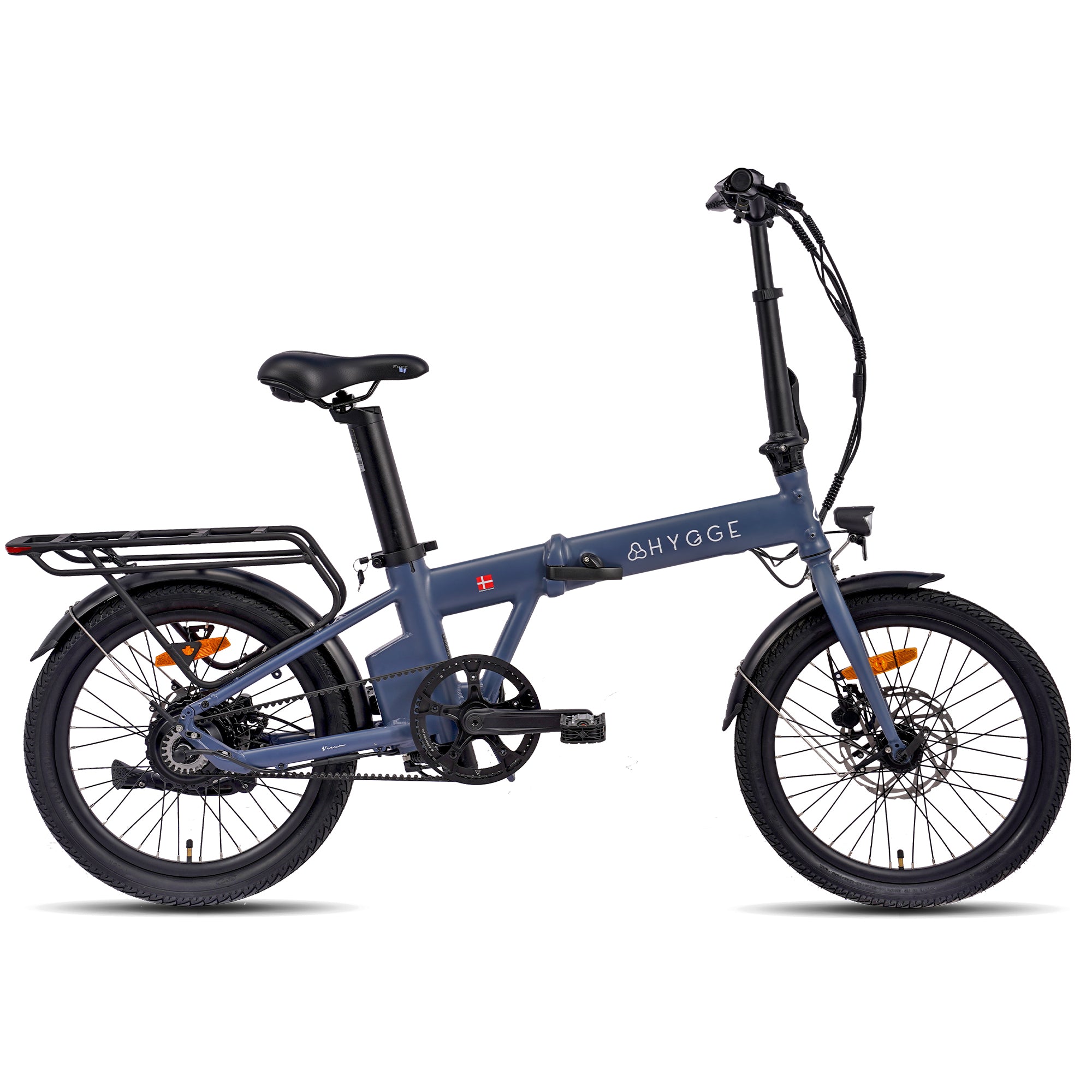
Vester Folding E-Bike | £1,499 | 27kg | Up to 80km range Shop Now

Each sensor is designed to function in its own unique way.
The cadence sensor just determines whether the crank is turning or not. When it senses rotation, the motor immediately engages in a preset amount of power according to your assist mode setting no matter how hard you pedal. A cadence E-Bike can push you forward at full assist with just a single tap on the pedals.
A torque sensor is used to measure the actual force applied to the pedals. This gives you a constant flow of feedback on how hard you are pushing and
how much power the motor is generating hence the reason for the constant description of the more natural pedal-assist option, torque-based systems.
The advantages and disadvantages of the torque sensor
 Benefits
-
Works like a normal E-Bike, but with more power in your legs, assistance changes as you put in effort.
-
Smoothed and more balanced power delivery, particularly at start up and ascent.
-
Improved low speed handling, in traffic or in tight spaces or on loose surfaces.
-
Typically more efficient batteries because only use when working
-
Perfect for the riders that just want to ride for exercise and not just for a pick up.
Explore the advantages and disadvantages of Cadence Sensor.

Benefits
-
Straight forward and easy to understand: you push the pedals and it assists.
-
Typically less expensive, thus preserving the overall price of the bike.
-
Infinitely straightforward to install and maintain no complicated strain measuring equipment.
-
Allows you to cruise with minimal pedal pressure, ideal for slow riding and commuting
Cadence Sensor vs Torque Sensor: Comparison Table
|
Feature |
Torque Sensor |
Cadence Sensor |
|
Detects |
Pedal force |
Pedal rotation |
|
Ride feel |
Proportional, natural |
Preset, consistent |
|
Start response |
Immediate, effort-based |
Can lag slightly |
|
Low-speed control |
Easier to modulate |
Can feel abrupt |
|
Battery efficiency |
Generally better |
Generally lower |
|
Hill climbing |
Responds to effort in real time |
Uniform assistance regardless of push |
|
Maintenance |
Complex, pricier |
Simple, budget-friendly |
|
Best for |
Exercise, natural feel, active riders |
Low-effort commuting, budget buyers |
|
Typical cost |
Higher |
Lower |
So, Which Feels More Natural?
If natural pedal assist E-Bike performance is the top priority, then it's the torque sensor. It reproduces the feeling of pedaling a normal E-Bike with a boost in power added to it, so that you feel like you're pedaling as hard as you can, but you're not. A cadence sensor, on the other hand, provides an aid that is more akin to a switch – pedal, and there is a pre-set level of power, no matter how hard you push your legs.
However, the "natural" is not all that is important. For relaxed riders, a cadence-style is still a great option that lets you arrive at work without breaking a sweat. However, if you're looking for an E-Bike that feels more like your own, that feels more like you as you ride, a torque sensor is the more intuitive and human-feeling option and it's how the Hygge philosophy is built.
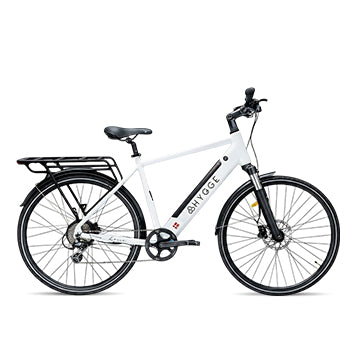
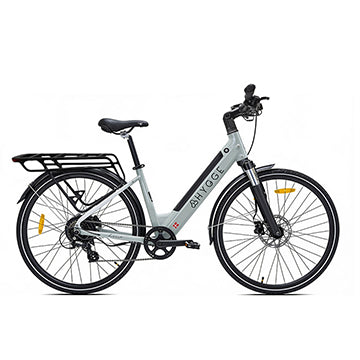
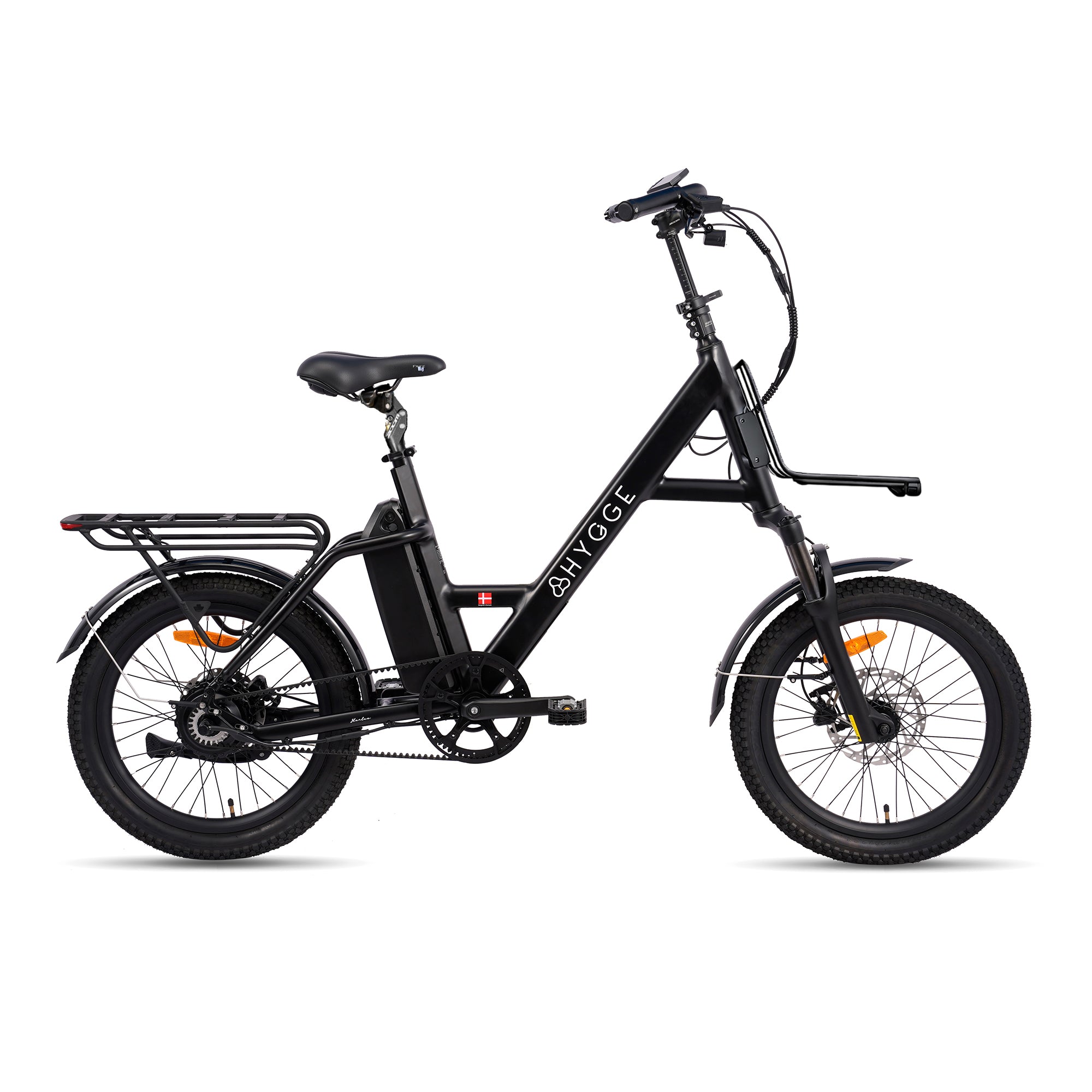
Lossø Commuter E-Bike | £1,499 | 21kg | Up to 60km range Shop Now
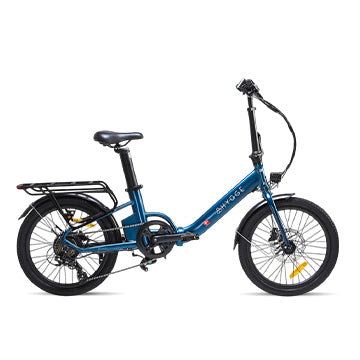
The Lossø Commuter E-Bike is the best example of torque-sensing. It is equipped with an Ananda torque sensor, 250W hub motor and an advanced CAN control system that ensures the motor, battery, display and sensor all communicate very accurately and presciently, providing a smooth and responsive ride not a rough one
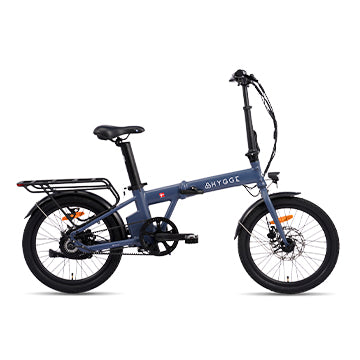
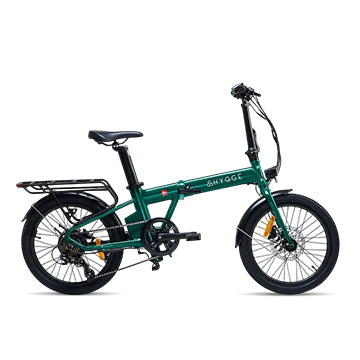
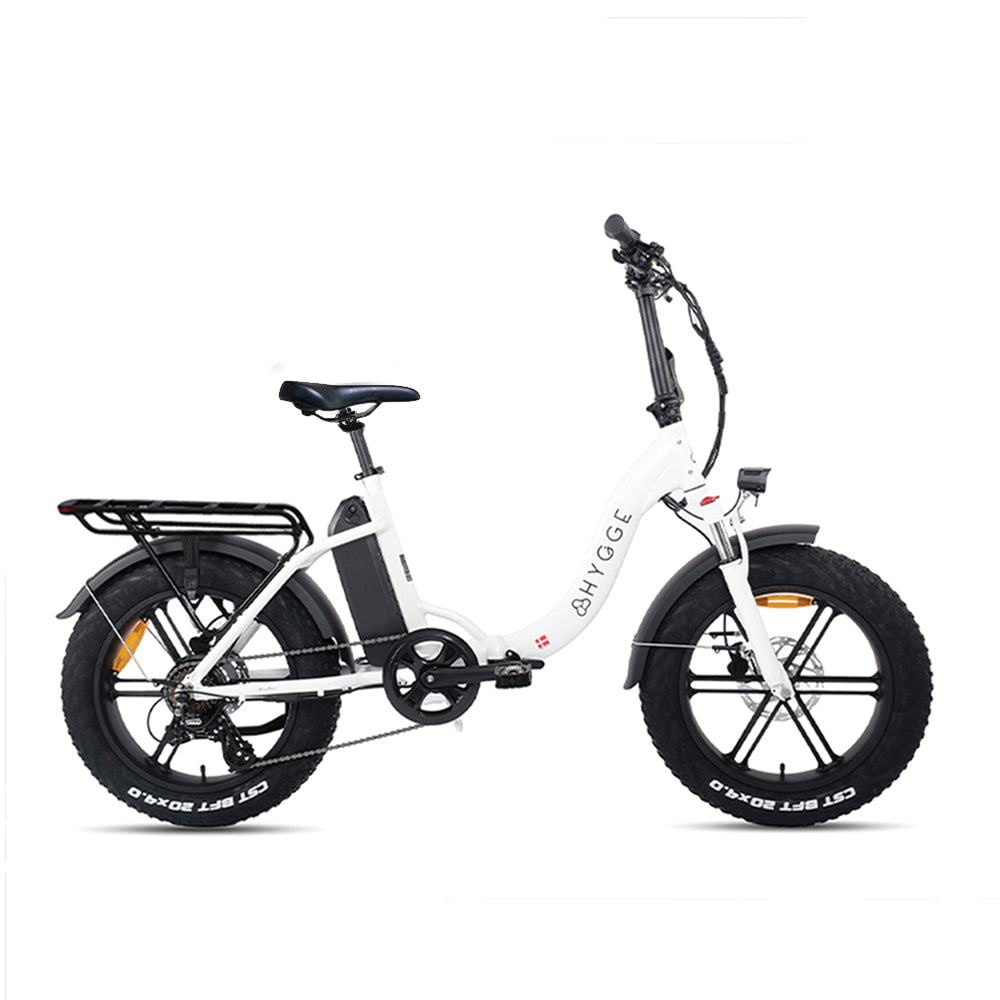
 The same easy-riding philosophy is evident throughout the rest of the Hygge electric bike lineup; from the ultralight Virum folding bikes to the fat-tyre Vester and all-terrain Sorø, each has been optimized for a different type of comfort over a single-sized-assist map.
Virum Folding E-Bike | £1,499 | 18kg | Up to 60km range Shop Now

In short: If you ride in a natural way, like by using your body, you'll get a torque sensor: This is what Hygge is based on in its commuter features. If a simple cadence-style setup is important, over ride feel, then go with it. But the type of sensor is only part of the equation: the way it's tuned to the motor, the gear ratios and the general quality of the E-Bike will also affect the experience of riding it.
Want to see it in person? A test ride of Hygge bikes is possible, there are finance options to explore and there are more riding guides to read on the Hygge blog.