
Does Cold Weather Reduce Electric Bike Range in the UK?
Yes, cold weather can reduce electric bike range in the UK. Lower temperatures affect how efficiently lithium-ion batteries deliver energy, meaning your E-Bike may cover fewer miles on a full charge during winter than in warmer conditions.
But that doesn't mean you need to stop riding. With a few practical adjustments, you can continue enjoying your electric bike throughout the colder months.
Why Does Cold Weather Affect E-Bike Batteries?
Most modern electric bikes use lithium-ion batteries, which are sensitive to temperature changes.
When temperatures drop, chemical reactions inside the battery slow down, and internal resistance increases. This can temporarily reduce the energy available to power your motor.

As a result, electric bike range in winter UK conditions may be lower than the maximum range advertised by the manufacturer.
Cold weather can also affect tyre pressure, while strong winds, wet roads and additional winter clothing can increase the energy required for each journey.
The important distinction is that a temporary reduction in cold-weather performance does not necessarily mean your battery has permanently lost capacity.
How Much Range Can You Expect in Winter?
Your actual winter E-Bike mileage depends on several factors, including temperature, terrain, rider weight, assistance level and battery capacity.
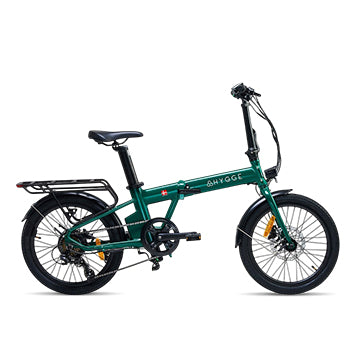
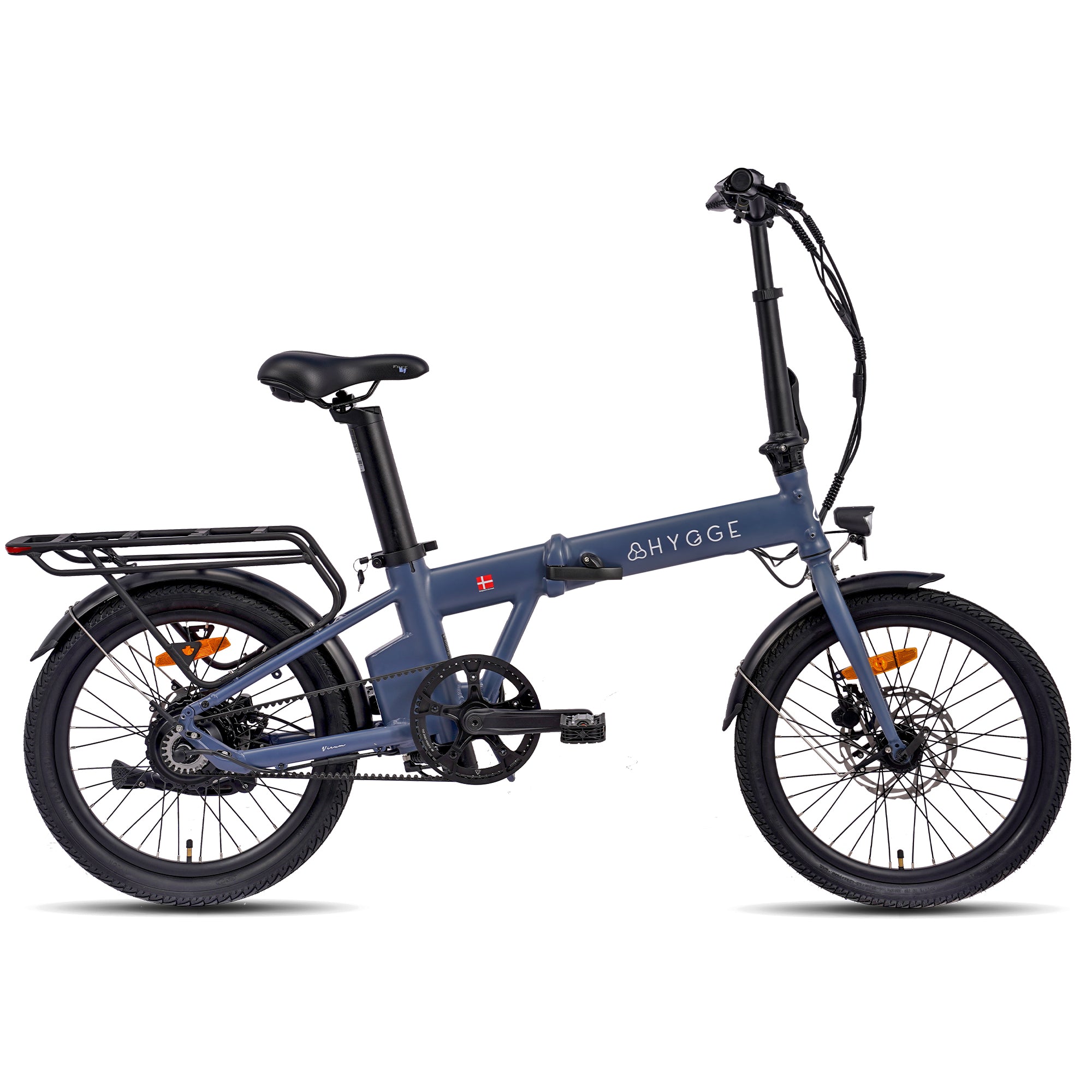
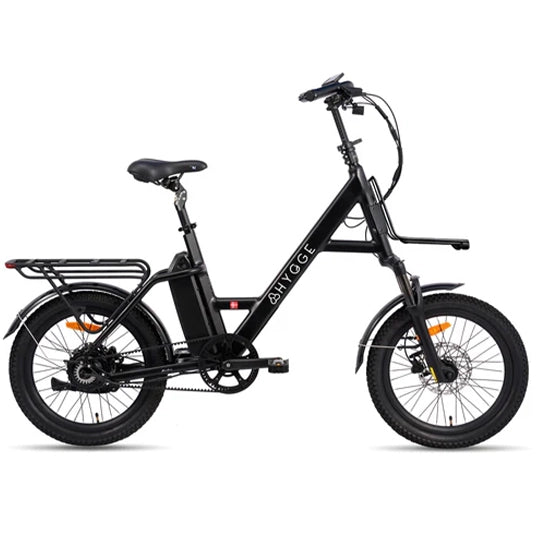
For example, the Hygge Virum Folding E-Bike features a 36V 10Ah Samsung battery and offers an advertised range of up to 60km.
Virum E-Bike | £1,499 | 18 kg | Up to 60km range Shop Now
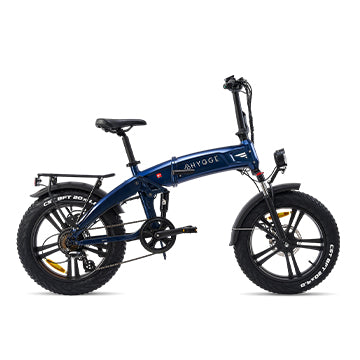
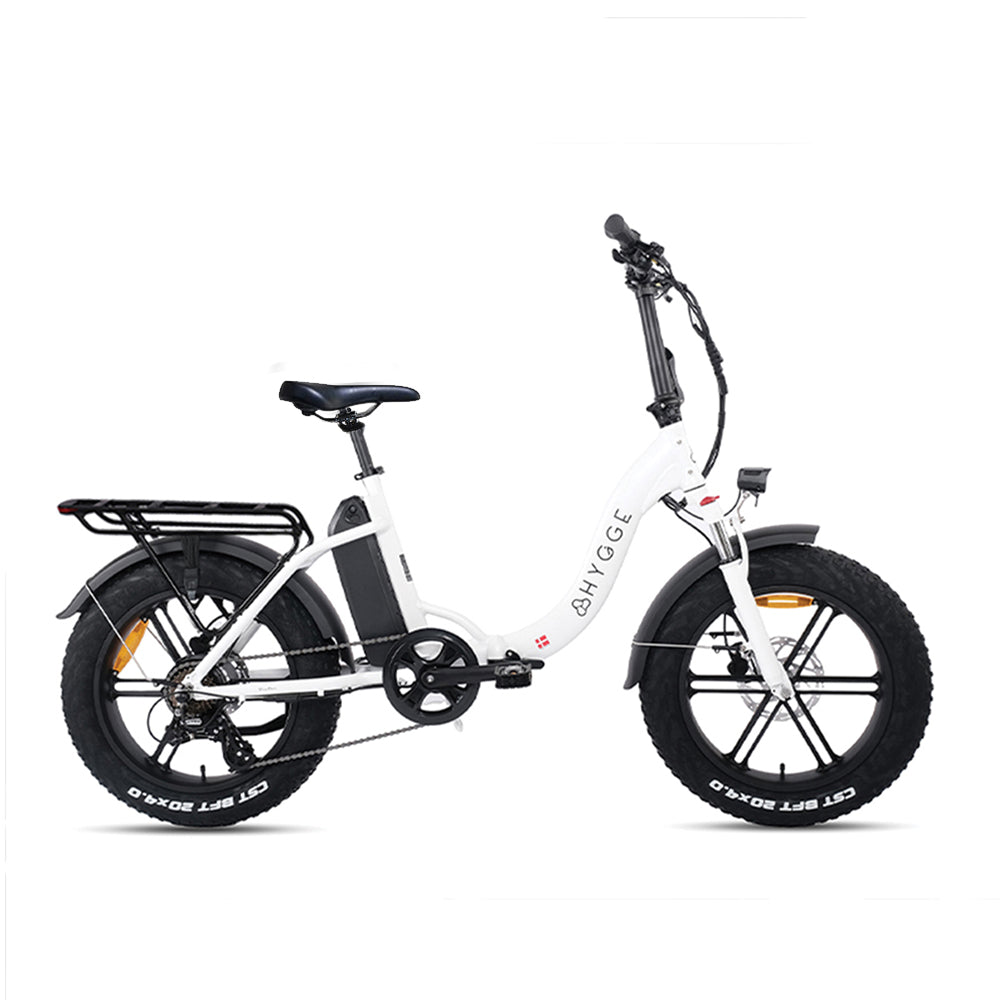
The Hygge Vester Folding Fat-Tyre E-Bike features a larger 48V 14Ah Samsung battery, with an advertised range of up to 80km.
Vester Folding E-Bike | £1,499 | 27kg | Up to 80km range Shop Now

These are maximum advertised figures under suitable conditions, not guaranteed winter distances. Actual mileage may be lower during cold UK weather.
Five Ways to Improve Your E-Bike Range in Winter
1. Store your battery indoors
Keep your battery in a dry, temperature-controlled environment when the bike isn't being used. Avoid prolonged exposure to freezing temperatures.
2. Charge at a suitable temperature
Allow a cold battery to warm naturally before charging. Follow the manufacturer's charging instructions and avoid charging a battery below its permitted temperature.
3. Use assistance efficiently
Higher assistance levels generally consume more energy. Using lower assistance on flatter routes can help extend your range.
4. Maintain the correct tyre pressure
Cold weather can reduce tyre pressure. Check it regularly and follow the recommended pressure range for your tyres.
5. Plan for shorter journeys between charges
Leave an additional battery reserve during winter, particularly when travelling through hilly areas or facing strong headwinds.
Are Folding E-Bikes Suitable for UK Winter Riding?
Absolutely, provided the bike is used within its recommended operating conditions and the rider takes appropriate precautions.
At Hygge Bikes, our Danish heritage and EU-built approach reflect our focus on practical, thoughtfully designed electric bikes.
Our highly regarded folding range includes lightweight options such as the Virum and more substantial fat-tyre models such as the Vester, giving riders different choices for everyday travel.
Explore the Hygge Folding E-Bike Collection to find a model suited to your riding needs.

Final Thoughts
Cold weather can reduce electric bike range, but sensible battery care, efficient riding and regular maintenance can help minimise the impact.
Whether you're commuting, exploring countryside routes or enjoying a weekend ride, understanding E-Bike battery cold weather performance will help you plan your journeys with confidence.
Winter doesn't have to mean putting your electric bike away. It simply means riding a little smarter.