

E-Bike Laws UK 2026: What's Legal on the Road
Electric bikes are everywhere on UK streets in 2026, but not every bike you see is actually road-legal. With police stepping up enforcement this year, understanding the electric bike laws UK riders must follow has never mattered more; especially if you're commuting, delivering, or simply want peace of mind on your daily ride.

What Counts as a Legal E-Bike?
Under UK law, a road-legal e-bike falls under the EAPC rules UK; that's "Electrically Assisted Pedal Cycle." Meet these rules, and your bike is treated exactly like an ordinary bicycle: no licence, no insurance, no registration, and no road tax required.
To qualify as an EAPC, your bike must tick every one of these boxes:
-
Working pedals that genuinely propel the bike forward
-
A motor with no more than 250W continuous power — the 250w e-bike law that defines the category
-
Assistance that cuts off once you hit 15.5mph (25km/h) — the electric bike speed limit UK riders need to respect
-
A minimum rider age of 14
-
Clear labelling showing the manufacturer, power output, and voltage or top assisted speed
If your bike ticks all five, you can ride it on roads, cycle lanes, and shared-use paths, just like a standard pedal bike.
When Does an E-Bike Become Illegal?

The moment a bike breaks any of these limits; a motor over 250W, assistance beyond 15.5mph, or a throttle that moves the bike without pedalling — the law reclassifies it as a moped or motorcycle. That means you'd legally need a driving licence, DVLA registration, insurance, and a motorcycle-standard helmet. Ride it without those, and police can issue fines, add penalty points, or seize the bike on the spot.
This isn't a minor technicality in 2026. A parliamentary bill targeting illegal e-bikes and speed-boosting conversion kits has kept enforcement firmly in the headlines, and forces across the country have been actively pulling over non-compliant rider; particularly imported bikes and "chipped" motors that quietly exceed the legal power or speed caps.
Why Compliance Matters More Than Ever

The rise in dodgy imports and aftermarket conversion kits has made it harder for everyday riders to know what they're actually buying. Some online sellers advertise bikes as "road-legal" when they don't meet EAPC standards at all; leaving the rider, not the seller, to face the consequences.
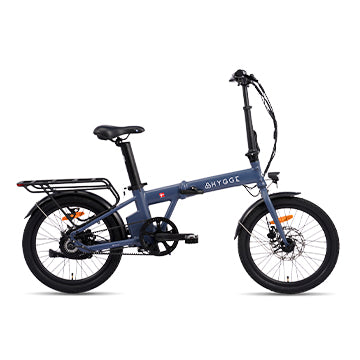
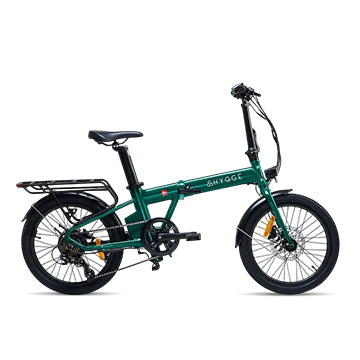
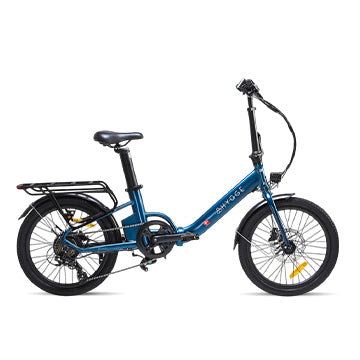
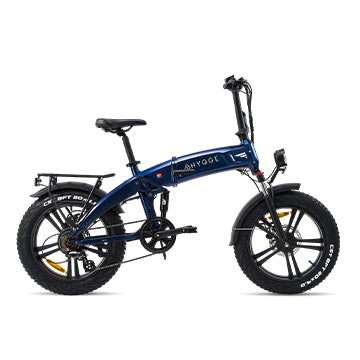
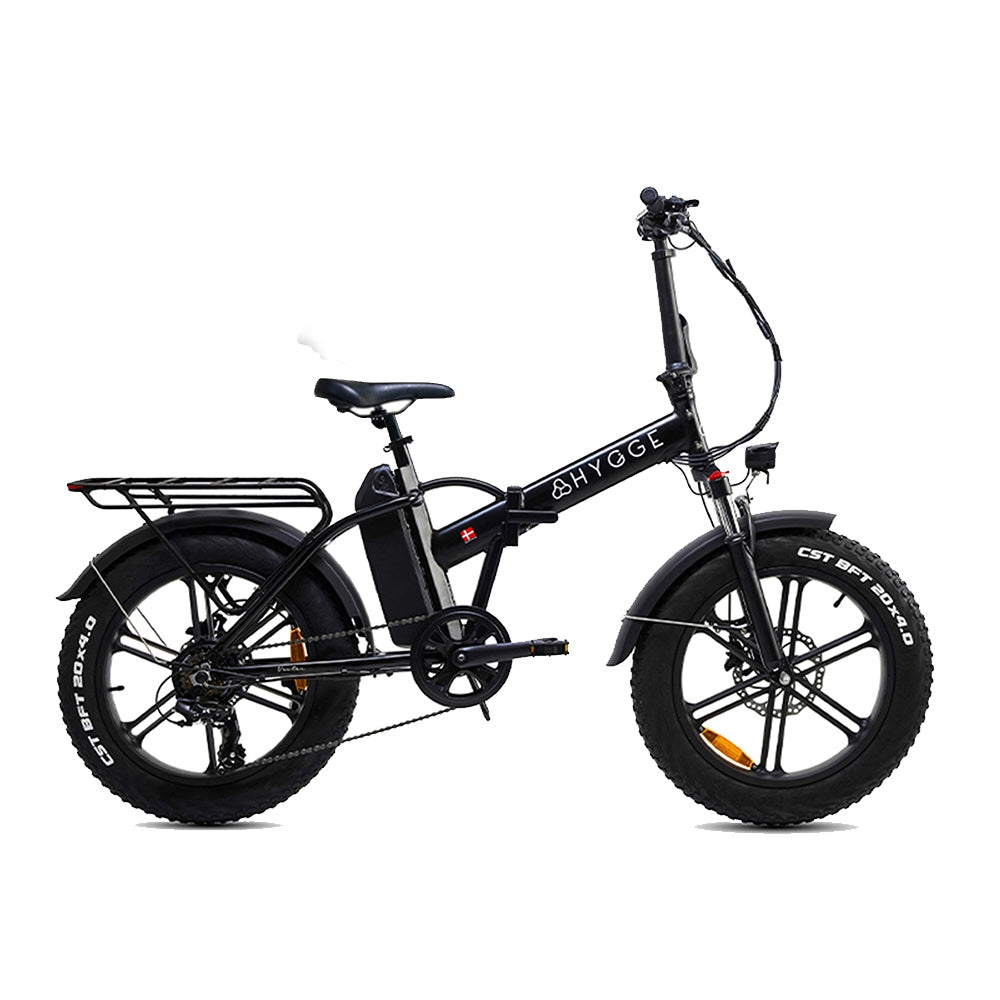
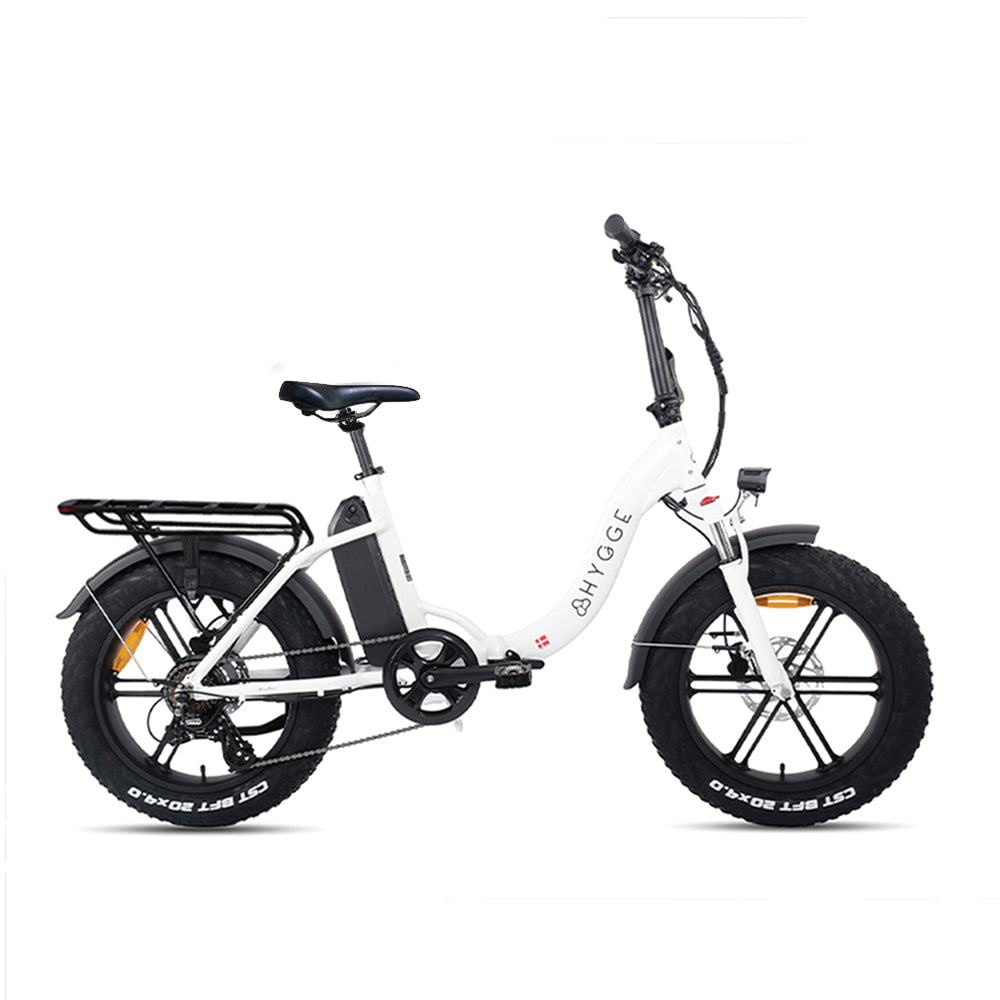
That's exactly why buying from a manufacturer that builds compliance from the start matters. Every bike across our range of electric bikes is fully EAPC-compliant by design; 250W motor, 15.5mph cut-off, functional pedal-assist, and clear labelling as standard. There's no guesswork, no aftermarket surprises, and no risk of accidentally riding an illegal vehicle. You can commute, explore, or deliver knowing your bike meets UK law exactly as sold.
The Bottom Line

The rules haven't changed dramatically in 2026, but enforcement has sharpened considerably. Before buying any e-bike, check the motor wattage, confirm the speed cut-off, and look for clear EAPC labelling. Ride a compliant bike, and you get all the ease of cycling with none of the licensing hassle. Ride a non-compliant one, and you could be looking at fines, points, or a bike in the back of a police van.
When in doubt, browse our EAPC-compliant range and choose a brand that's already done the compliance work for you.
Faqs
Are Hygge e-bikes road legal in the UK?
Yes. All Hygge e-bikes are built to comply with UK EAPC (Electrically Assisted Pedal Cycle) regulations, allowing them to be ridden on public roads and cycle paths without a licence, insurance, or registration.
What makes an electric bike road legal in the UK?
A road-legal UK e-bike must have working pedals, a motor with a maximum continuous power output of 250W, and pedal assistance that cuts off at 15.5 mph (25 km/h). It must also meet current EAPC regulations.
Do I need a licence or insurance for an electric bike?
No. If your e-bike complies with UK EAPC regulations, you do not need a driving licence, vehicle registration, road tax, or insurance to ride it.
What is the legal speed limit for an electric bike in the UK?
Under UK EAPC regulations, electric bike assistance must stop at 15.5 mph (25 km/h). Riders can travel faster using their own pedalling effort, but the motor cannot continue providing assistance above this speed.
Can I ride a 250W electric bike on public roads and cycle paths?
Yes. A 250W electric bike that complies with UK EAPC regulations can be ridden on public roads, cycle lanes, and shared-use paths in the same way as a conventional bicycle.