

E-Bike Maintenance Guide: How to Care for Your Electric Bike (2026)
A good E-Bike maintenance guide starts with one reassuring fact: electric bikes don't demand much more care than regular bikes. They do carry extra weight, power, and electronics, so a little routine attention goes a long way. This guide covers how to maintain an electric bike, from cleaning to servicing, so it stays safe, efficient, and reliable. Always check your bike's E-Bike manual for model-specific advice.
What Maintenance Does an Electric Bike Need?
Most E-Bike maintenance falls into four areas: brakes, tyres, drivetrain (chain or belt), and battery care. Keep these in shape and you'll avoid most common problems.

E-Bike Maintenance Checklist
Before every ride:
-
Squeeze both brakes and check they feel firm
-
Look over tyres for damage and check tyre pressure
-
Make sure the battery is secure and charged
Monthly:
-
Clean the bike and inspect brake pads
-
Check chain wear and lubricate
-
Test bolts, lights, and mudguards
How to Clean an Electric Bike Safely
Can you wash an electric bike? Yes, but gently. Never use a pressure washer, as it can force water into the motor, display, and battery connections. Switch the bike off, remove the battery if possible, and use a damp cloth or soft brush with a mild bike cleaner. Rinse with a low-flow hose or bucket, then dry thoroughly.
How often should I clean my E-Bike? Every two to four weeks for regular riders, and straight after muddy, wet, or salty-road rides.
E-Bike Brake Maintenance
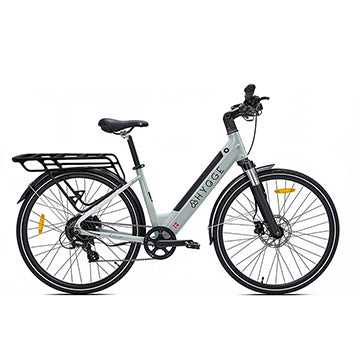
E-bikes are heavier and faster, so braking components wear quicker. To check E-Bike brakes, look for a firm lever with no sponginess, pads with visible material remaining (replace them at around 1mm), and no squealing or grinding. Bikes with hydraulic brakes, such as the Lossø Commuter E-Bike, reward regular electric bike brake checks.
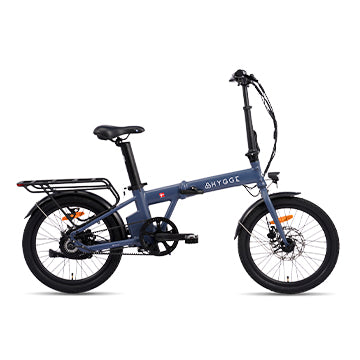
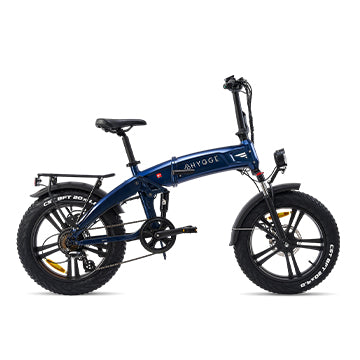
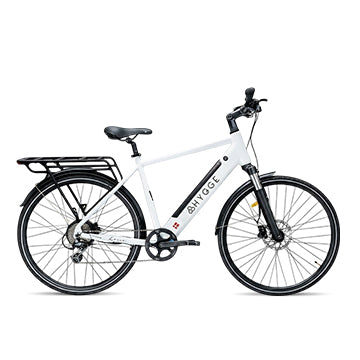
Lossø Commuter E-Bike | £1,499 | 21 kg | Up to 60km range Shop Now
How often should E-Bike brake pads be replaced? There's no fixed interval. Commuters in hilly or wet areas may need new pads every few months, while casual riders can go a year or more. Genuine replacements are available in the spare parts collection.

E-Bike Tyre Pressure
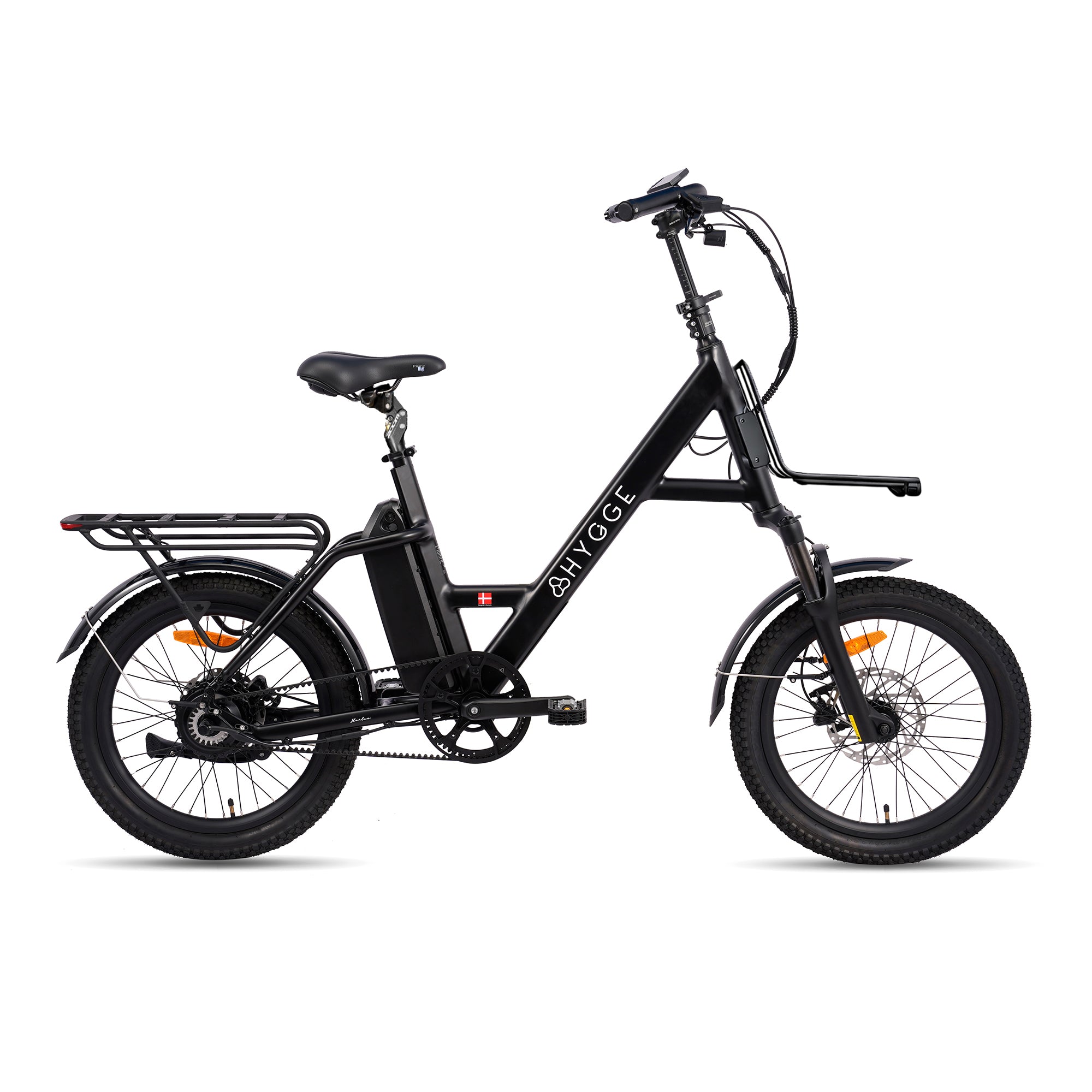
The correct tyre pressure for electric bikes depends on rider weight, tyre width, and terrain, so follow the range printed on the sidewall. Most commuter tyres sit between 40 and 70 PSI, while fat tyre folding E-Bikes typically run lower. Check E-Bike tyre pressure weekly, as correct inflation improves range, grip, and puncture resistance. When tyres wear out, a Schwalbe tyre is a dependable replacement.
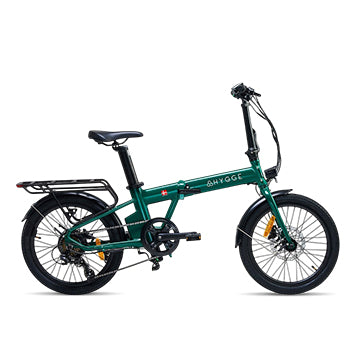
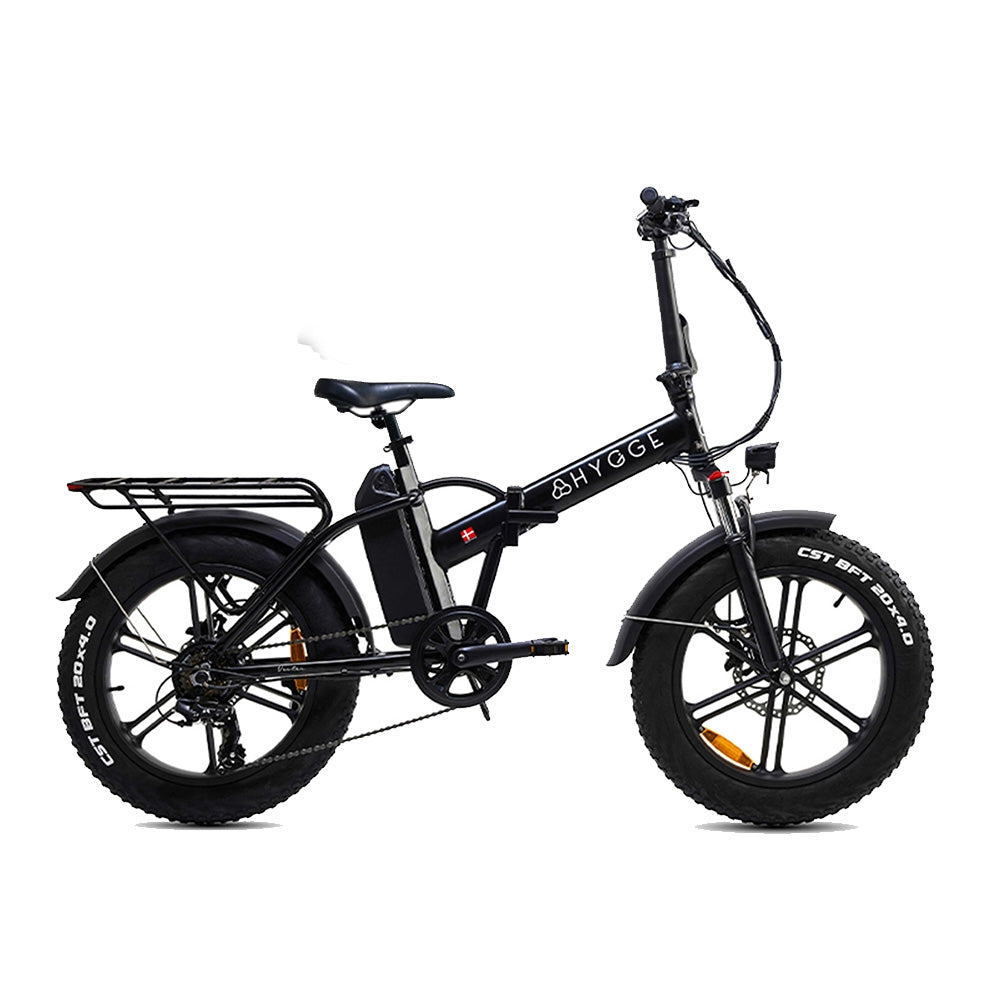
Vester E-Bike | £1,499 | 21 kg | Up to 60km range Shop Now
E-Bike Chain Maintenance
Under motor assistance, a chain works harder. For good E-Bike chain care, wipe it clean regularly and apply bike-specific lubricant every 100 to 150 miles, or after wet rides. Wipe off excess, since oily chains attract grit. Chains stretch over time, so measure wear with a chain checker and replace early to protect the cassette and chainring.

Belt Drive E-Bike Maintenance
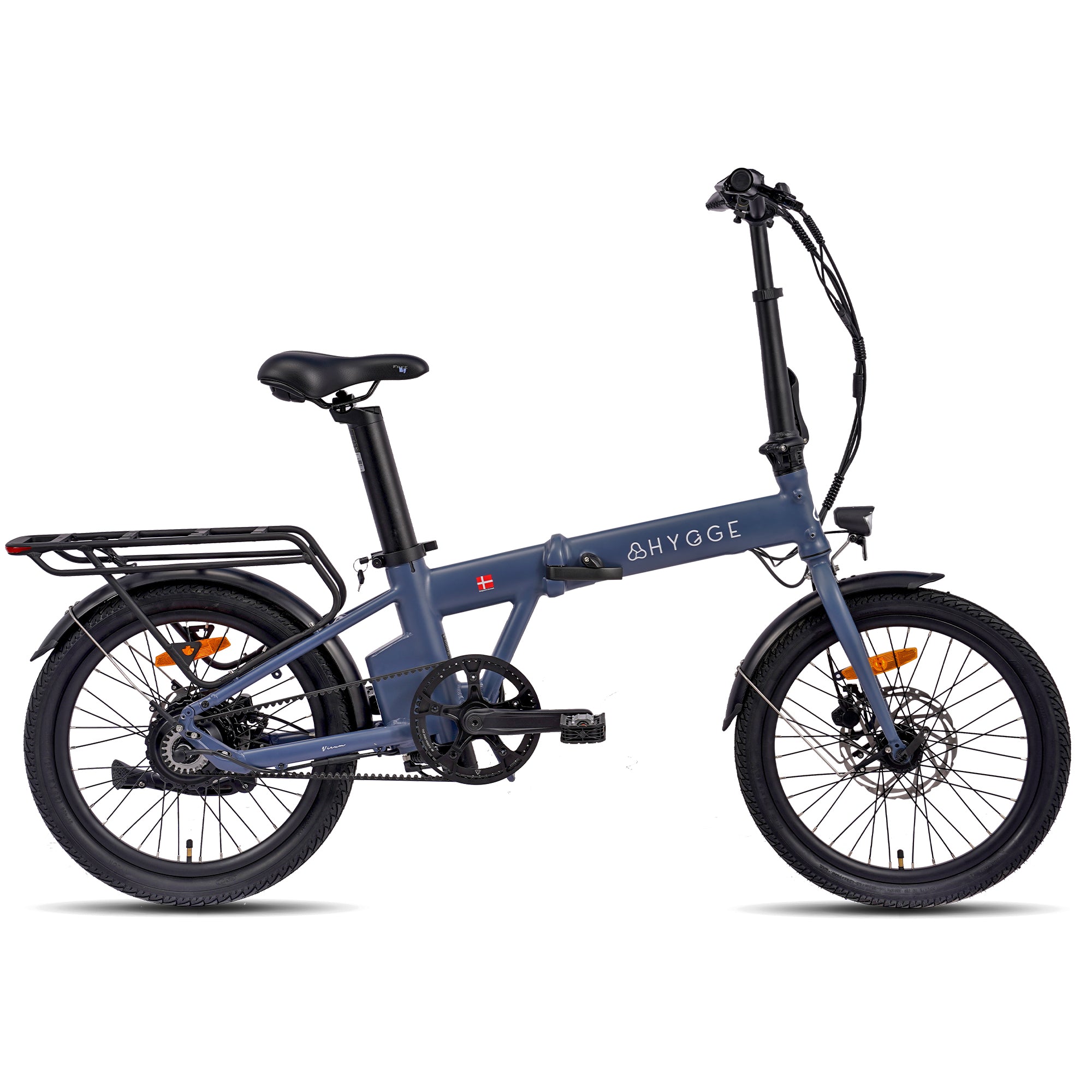
Electric bike belt drive maintenance is far simpler. Does an E-Bike belt need lubrication? No, and oil should never be applied. Rinse off dirt with water, check for cracks or frayed edges, and keep tension correct. That's why the Virum Auto and Herlev Auto, both with a carbon belt, suit riders wanting minimal upkeep. Browse the full electric bike range to compare.
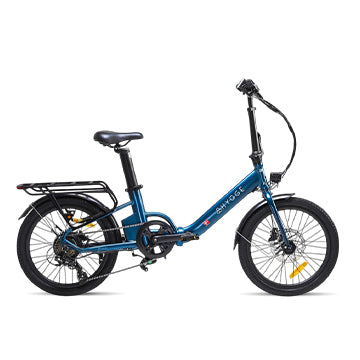
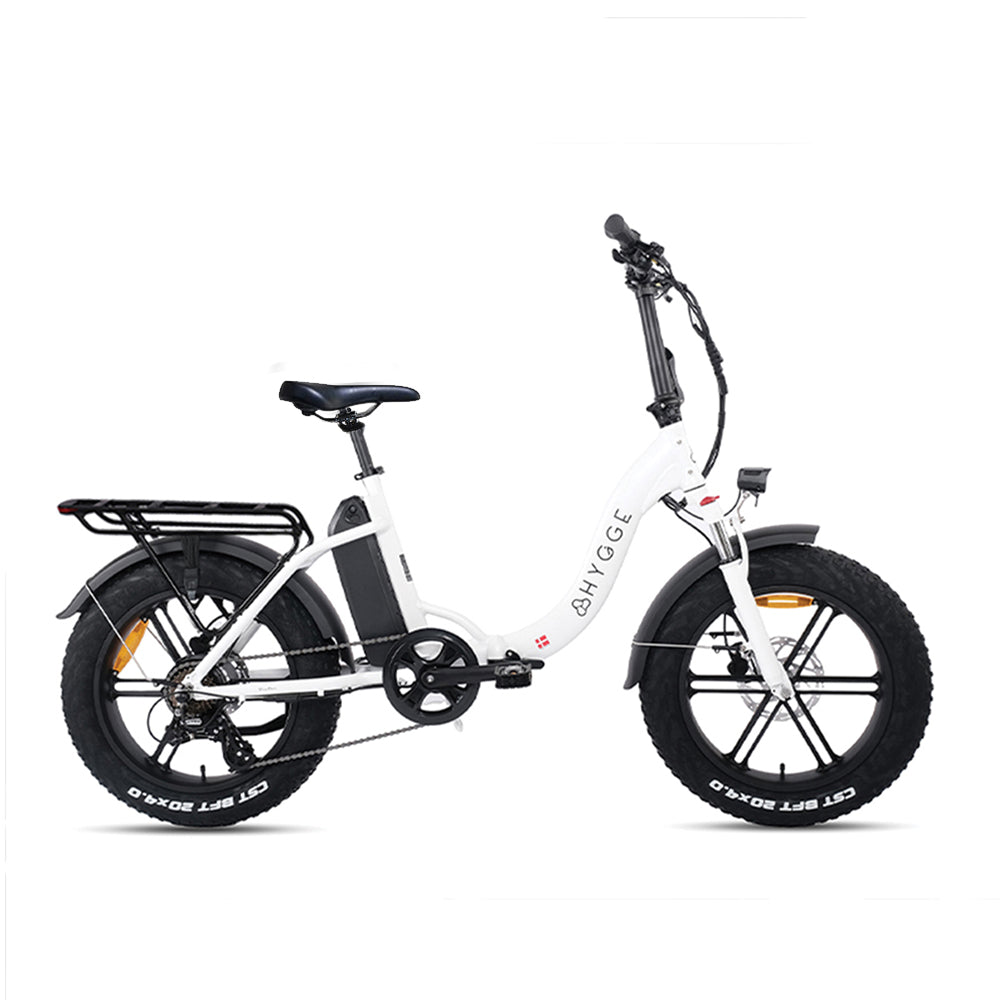
Virum Auto E-Bike | £1,799 | 18 kg | Up to 60km range Shop Now
Battery and Electrical Care
Store the battery indoors at room temperature, avoid draining it completely, and for long storage keep it at roughly 40 to 60 percent charge. Use only the original E-Bike charger, and keep contacts clean and dry.
How Often Should You Service an Electric Bike?
E-Bike service intervals typically follow usage. Most riders should book professional E-Bike servicing once a year, or every 1,000 to 1,500 miles. Heavy commuters may benefit from a check every six months. A service covers brake bleeding, drivetrain wear, torque checks, wheel truing, and motor and battery diagnostics. Before any repairs, review your warranty and coverage, and use the support FAQs or support form if you need help.

Electric Bike Maintenance at Home
Home care covers cleaning, tyre pressure, chain lubrication, and basic brake inspection. Leave hydraulic brake bleeding, motor diagnostics, and firmware updates to a qualified technician.
So, how much maintenance does an E-Bike need? Less than most people expect. With a simple E-Bike maintenance schedule of regular checks, gentle cleaning, correct tyre pressure, and annual servicing, your bike will stay smooth and safe. Thinking of upgrading? Book a test ride to find your fit.
Frequently Asked Questions
1. How do you maintain an electric bike?
Keep your electric bike in good condition by checking tyre pressure, inspecting brakes, cleaning the frame, and caring for the battery. Hygge e-bikes feature quality components designed for everyday riding, while regular checks and routine servicing help maintain performance and reliability.
2. How often should an electric bike be serviced?
An electric bike should generally receive a professional service at least once a year, or more frequently if you ride daily. Regular servicing helps identify worn brake pads, loose components, and drivetrain issues before they become bigger problems.
3. How do you look after an e-bike battery?
Use the recommended charger, avoid extreme temperatures, and keep the battery clean and dry. Hygge e-bikes use Samsung battery cells, and following the battery care guidance supplied with your bike helps support reliable performance and long-term battery health.
4. Can you wash an electric bike with water?
Yes. Use a damp cloth, a soft brush, and gentle water when cleaning your e-bike. Avoid pressure washers and direct water around electrical connections. Dry the bike thoroughly afterwards to help protect its finish and components.
5. How often should you check electric bike tyre pressure?
Check tyre pressure weekly and before longer journeys. Correct pressure improves grip, comfort, and efficiency. For Hygge e-bikes, always follow the recommended pressure range printed on the tyre, as the ideal pressure varies by model and tyre type.
6. How do you maintain an electric bike chain?
Clean your e-bike chain regularly and apply bicycle-specific lubricant after cleaning or wet rides. Check for wear and replace the chain when needed. If you prefer less routine drivetrain maintenance, selected Hygge models, including the Virum Auto and Herlev Auto, feature a Gates carbon belt drive that requires no lubrication.
7. Do belt-drive electric bikes need less maintenance?
Yes. Belt-drive electric bikes generally require less routine drivetrain maintenance than chain-drive models because the belt does not need oil or regular lubrication. Hygge's Virum Auto and Herlev Auto feature Gates carbon belt drives for a clean, quiet, and low-maintenance riding experience.
8. How often should electric bike brake pads be replaced?
Check your brake pads regularly and replace them when they become worn or braking performance declines. Brake wear depends on riding distance, terrain, weather, and braking habits. Keeping the brakes properly maintained helps you get the best from your Hygge e-bike while riding safely.
9. Can you maintain an electric bike at home?
Yes. Basic e-bike maintenance includes cleaning the frame, checking tyre pressure, inspecting the brakes, and checking that visible bolts and accessories are secure. For electrical faults, hydraulic brake repairs, or complex mechanical issues, use a qualified technician to protect your bike's components.
10. Where can I get my Hygge electric bike serviced in the UK?
Hygge Bikes supports UK riders through a nationwide service network that includes more than 42 Decathlon service centres. For guidance on servicing, repairs, or warranty support, contact the Hygge team at support@hyggebikes.com.