

How to Protect Your Electric Bike from Coastal Salt, Sand and Corrosion
Coastal rides can be magical, but salt spray and gritty sand demand extra care for any E-Bike, even one built like a Hygge. Based in Denmark, Hygge Bikes embodies Scandinavian design and are assembled to European standards.
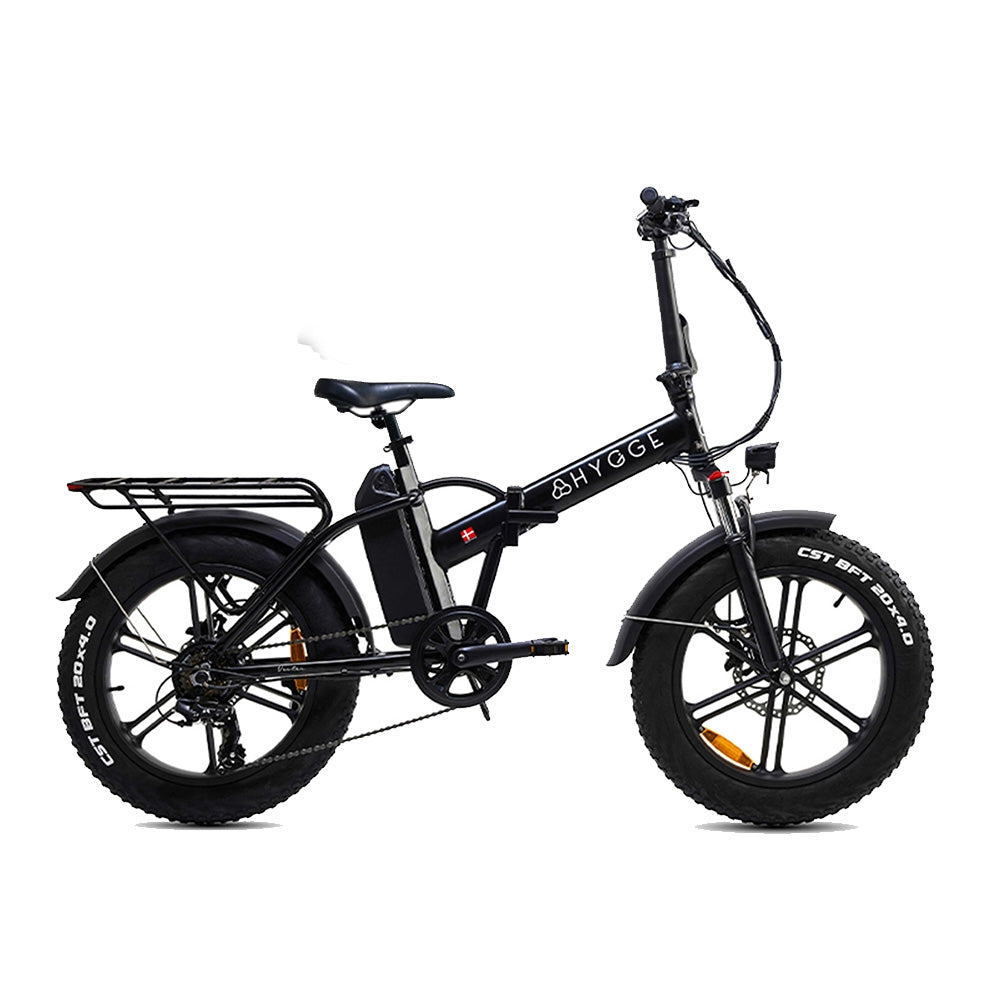
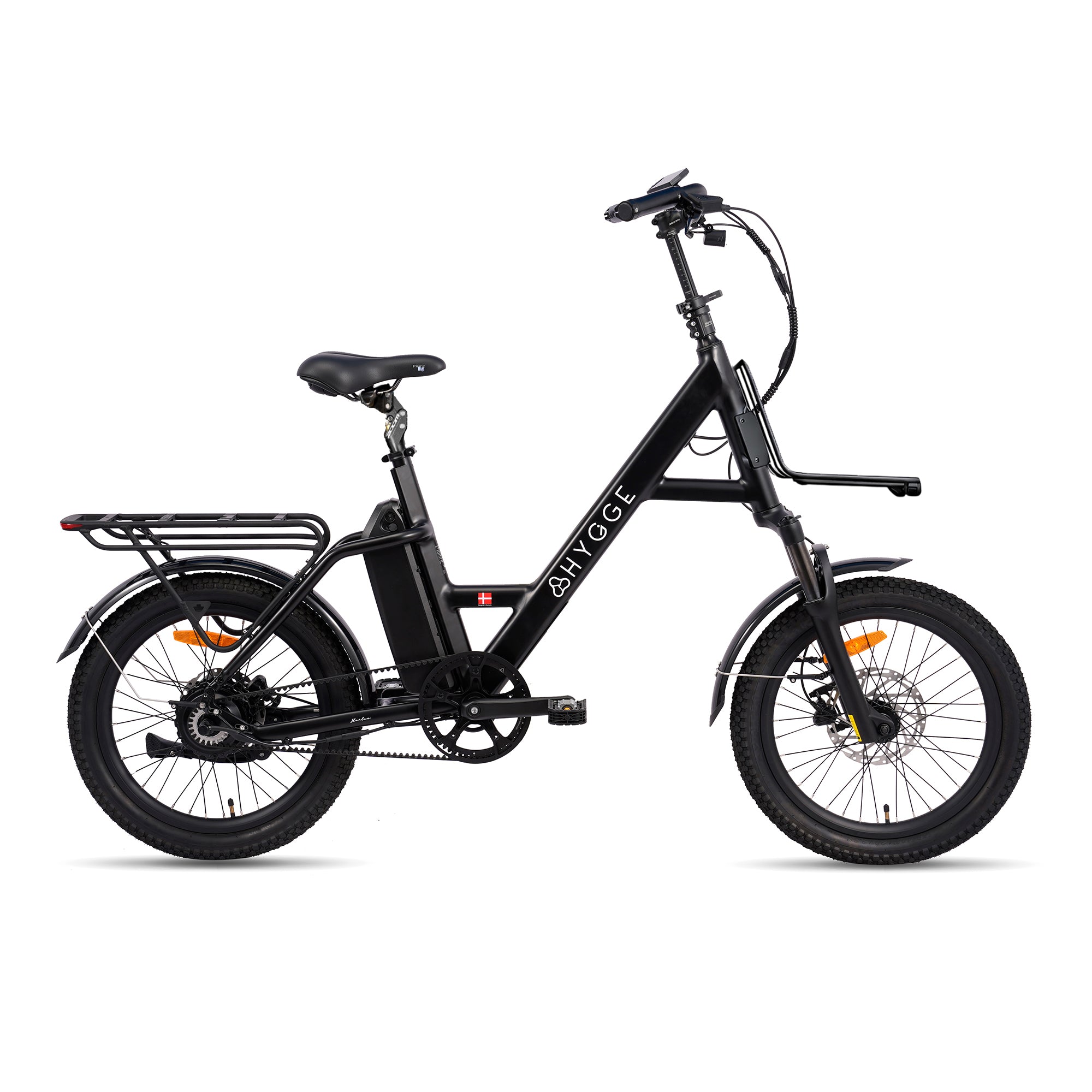
Vester Folding E-Bike | £1,499 | 27kg | Up to 80km range Shop Now
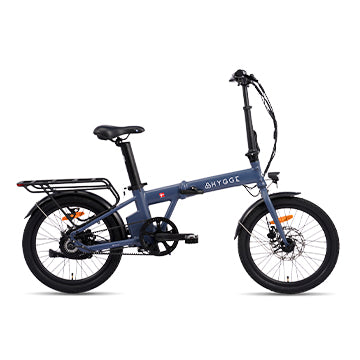
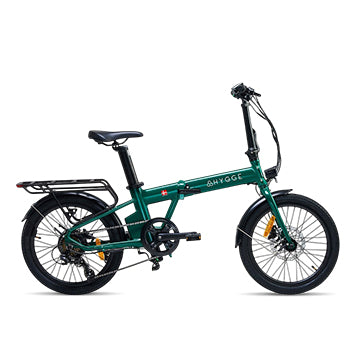
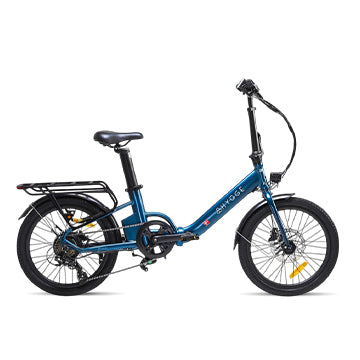
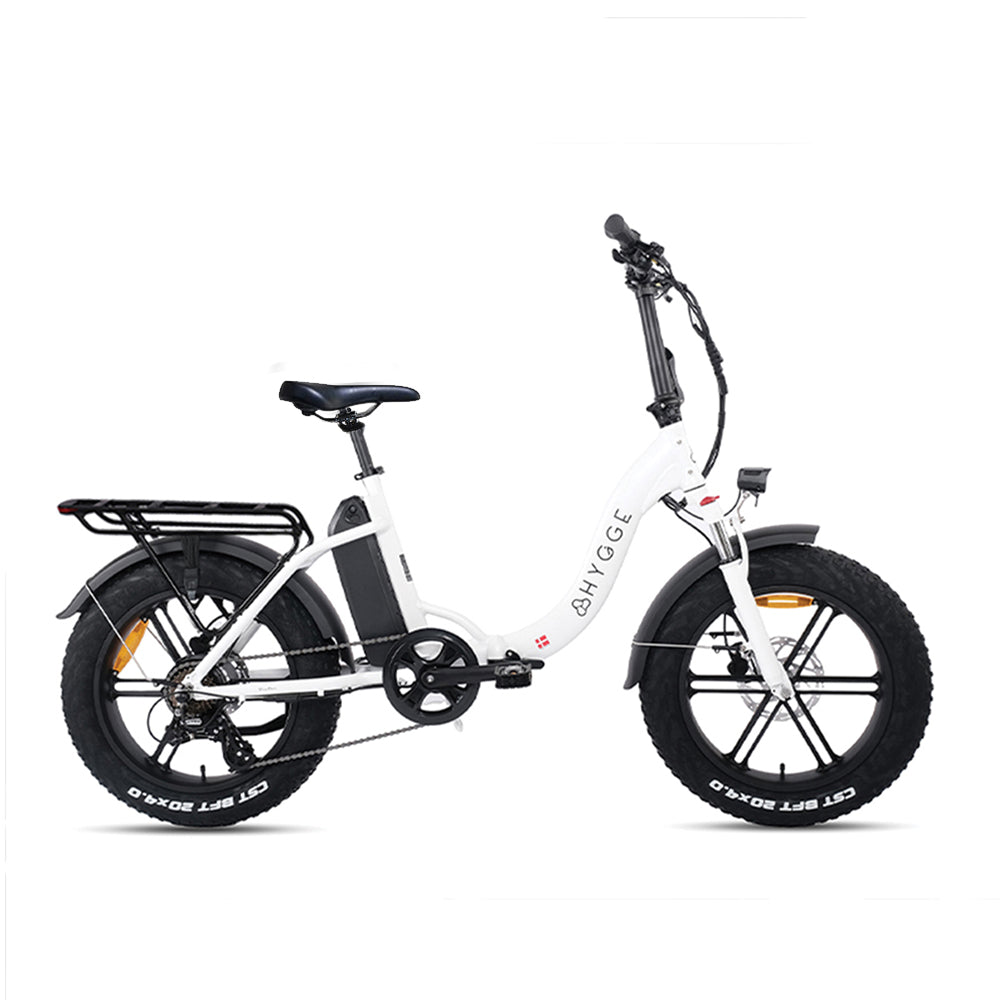
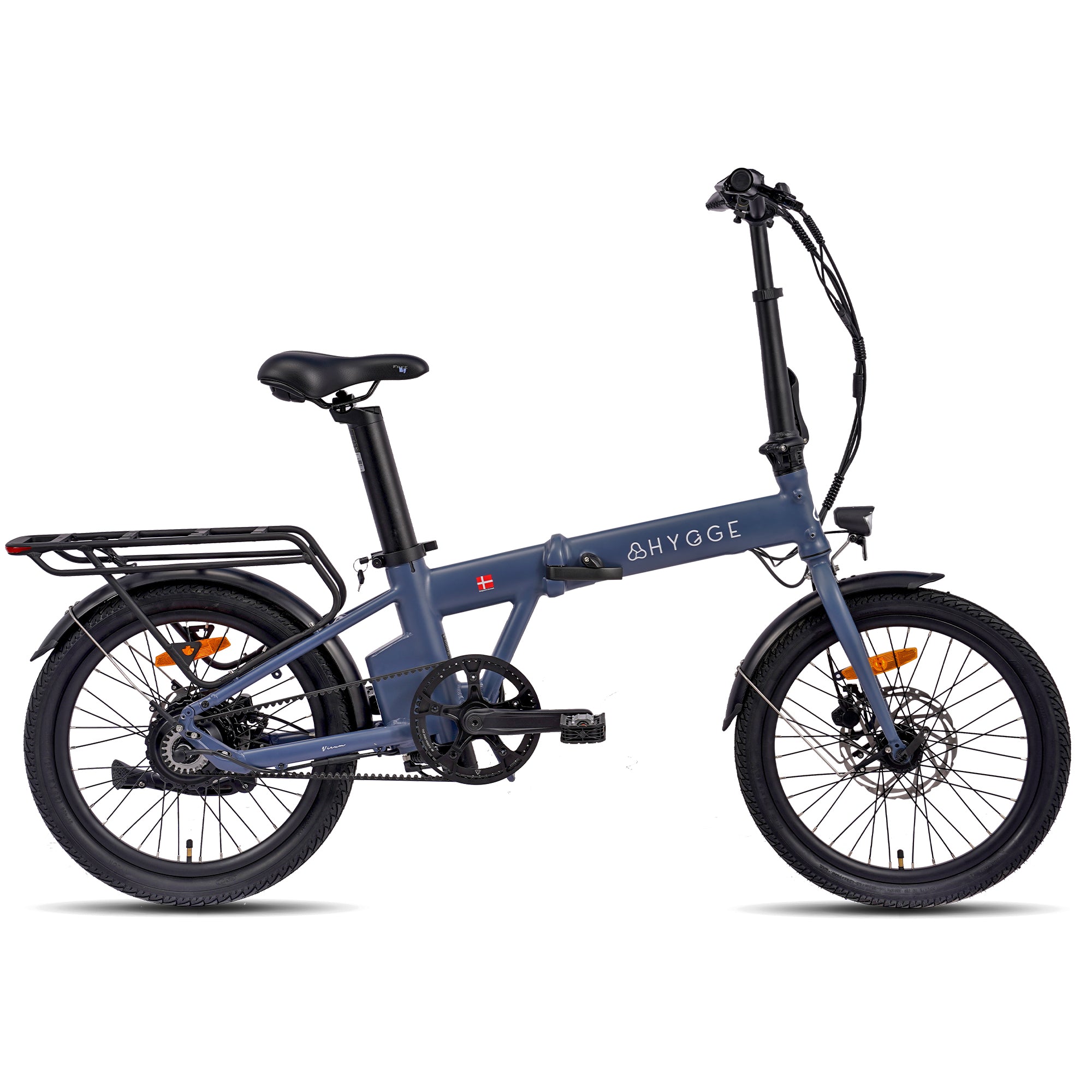
Our folding models (like the Virum, Vester and Soro) use aluminium frames with front and rear mudguards to block spray. Customers rate us 5 stars on Trustpilot thanks to this quality and attention to detail.
Still, saltwater is highly corrosive, a study notes that aluminium bike parts can start pitting after only a few hours immersed in salt water so prompt maintenance is essential. Follow these Hygge specific steps to keep your E-Bike in top condition:

Virum Folding E-Bike | £1,499 | 18kg | Up to 60km range Shop Now
-
Rinse Immediately: After a seaside ride, wash your E-Bike with fresh water or a gentle spray. Focus on the drivetrain, brakes and battery housing to remove salt residue. Use a bucket or low-pressure hose (avoid high-pressure jets which can force water into seals). Switch the bike off and remove the Samsung battery before cleaning to prevent shorts. Rinse off sand from tyres and spokes as well.
-
Dry Thoroughly: Immediately dry all parts with a clean microfiber cloth. Pay special attention to crevices: water trapped in nooks will still hold salt and rust metal. Compressed air can blow out hidden moisture. Leave the battery and connectors to air-dry fully; as one UK guide advises, “clean the battery contacts with a dry cloth to prevent corrosion, especially after rides on salty coastal paths”.
-
Lubricate and Protect: Once dry, apply lubricant to the chain and moving parts. Use a wet-chain lube (more water-resistant) since coastal conditions are damp. Coat each roller, spin backwards, then wipe off excess. Also apply a light spray or wax to metal bolts, derailleurs and cable pivots, this water-repels and slows rust. Hygge’s hydraulic discs are stainless, but inspect rotors and clean off any rust spots with isopropyl alcohol.

-
Protect Components: Hygge folding bikes come equipped with full mudguards, which do much of the heavy lifting by deflecting spray away from the frame. Make full use of them. If your ride involves wading, avoid submerging the wheels or battery. Consider a frame protection wax or spray on exposed metal; even a clear bike polish can add a barrier. For example, bike experts recommend waxing aluminium frames and even rubbing automotive wax on spokes and bolts as an extra defence.
-
Safe Storage: When not riding, keep the E-Bike out of the elements. Indoor storage is best, a garage or shed keeps corrosive air at bay. If you must leave it outside, use a breathable bike cover to block salt spray. Always remove the battery (store it indoors) after salty rides. Before parking, give one last wipe-down and apply a thin coat of corrosion spray to the chain and pivot points. This routine after every coastal ride will greatly extend your bike’s life.

By following these steps cleaning, drying, lubing, and inspecting, you’ll provide comprehensive E-bike saltwater protection. Think of it as part of your seaside cycling maintenance routine. Hygge’s robust components (aluminium frame, stainless spokes, sealed motor) make them well-suited to coastal use, but even the best e-bikes need care.
For more details on Hygge’s construction and features, see our E-Bike range. For a full maintenance checklist, visit the Hygge Bikes blog. And rest assured, many riders rate Hygge highly, we hold a 5-star Trustpilot rating for real-world reliability.
Frequently Asked Questions
Are Hygge e-bikes legal on UK and EU roads?
Hygge e-bikes that meet UK EAPC requirements have a maximum continuous rated motor power of 250W, with pedal assistance cutting out at 15.5 mph (25 km/h). EU and national rules can vary, so check local regulations before riding.
Can you ride an electric bike along the coast?
Yes. Hygge folding e-bikes can be used for suitable coastal routes. After riding near the sea, clean and dry your bike to remove salt and sand that can cause corrosion.
Does saltwater damage an electric bike?
Yes. Salt residue can accelerate corrosion on metal components, particularly around bolts, the drivetrain and electrical connections. Clean your e-bike promptly after coastal rides.
How do you clean an e-bike after a beach ride?
Switch off your Hygge e-bike and remove the battery if the manufacturer's instructions allow. Use fresh water gently and a soft cloth or brush, avoiding high-pressure jets and direct water on electrical connections.
How do you protect an e-bike battery from salt and moisture?
Keep the battery clean and dry, and avoid exposing it to saltwater or direct spray. Remove and store it indoors after coastal rides, following the manufacturer's instructions.
How should you dry an e-bike after a coastal ride?
Dry the frame, drivetrain and other accessible components with a clean cloth. Pay attention to crevices and connectors, and ensure the bike and battery are fully dry before reconnecting or charging.
Do Hygge folding e-bikes have mudguards?
Selected Hygge folding models feature mudguards that help reduce spray reaching the frame and rider. Mudguards do not eliminate salt exposure, so cleaning after coastal rides is still important.
How do you prevent rust on an electric bike chain?
Clean and dry the chain after coastal rides, then apply a suitable bicycle-chain lubricant. Wipe away excess lubricant and keep oil or sprays away from disc brake rotors and pads.
Can you store a Hygge e-bike outside near the sea?
Indoor storage in a dry garage or shed is preferable. If outdoor storage is unavoidable, use a suitable breathable bike cover and keep the battery indoors according to the manufacturer's guidance.
Are Hygge e-bikes suitable for coastal cycling?
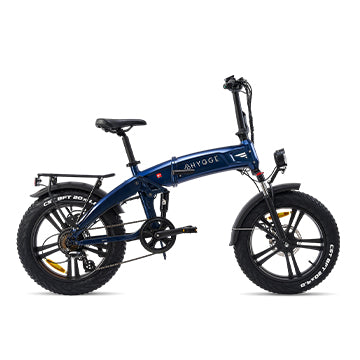
Hygge offers folding e-bikes designed for everyday riding and leisure trips. Models such as the Vester feature fat tyres and front suspension, but regular cleaning and maintenance are important when riding in salty coastal conditions.